01 — The Bagel Line
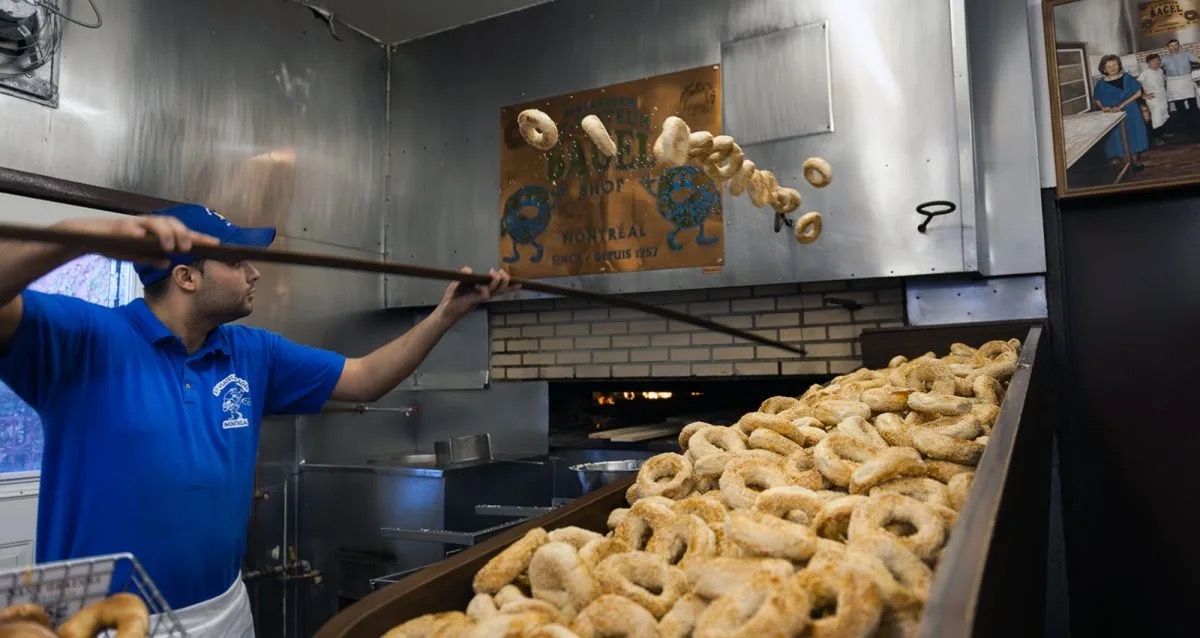
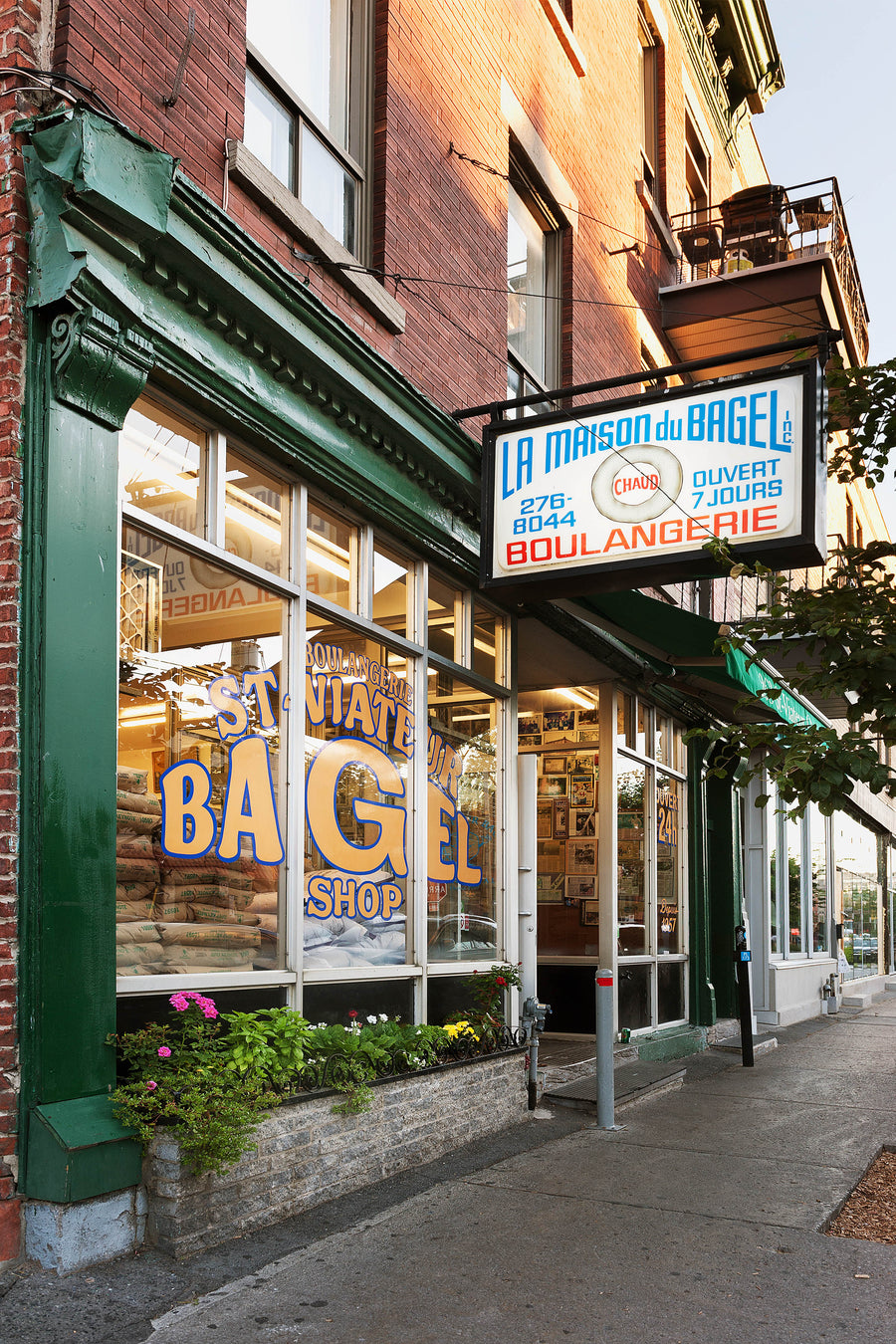
Fairmount opened first: Isadore Shlafman, a Jewish immigrant from Russia, started the Montreal Bagel Bakery on Boulevard Saint-Laurent in 1919 and moved it to Avenue Fairmount in 1949, renaming it after the street. Thirty-eight years after Fairmount’s founding, one of Shlafman’s own employees, Myer Lewkowicz, opened a rival shop three blocks over on Rue Saint-Viateur. Both still bake the same way — hand-rolled, honey-boiled, finished in a wood-fired oven — and both bake 365 days a year, though only Fairmount never turns the ovens off; St-Viateur keeps hours, six in the morning to midnight.
The owners insist the rivalry is friendly; they have lent each other flour and firewood in a pinch. Locals are less diplomatic. St-Viateur, now run by Joe Morena, tends to win the volume contest and the tourist buses. Fairmount, still in the Shlafman family under grandson Irwin, wins on nostalgia and a slightly denser, sweeter roll. The offsite settles nothing on Thursday — it only adds one more vote to an argument that has run since 1957.
“Spin and Pitchfork both crowned it the heart of Montréal’s independent music scene.”Press coverage, 2005
02 — Factory To Studio
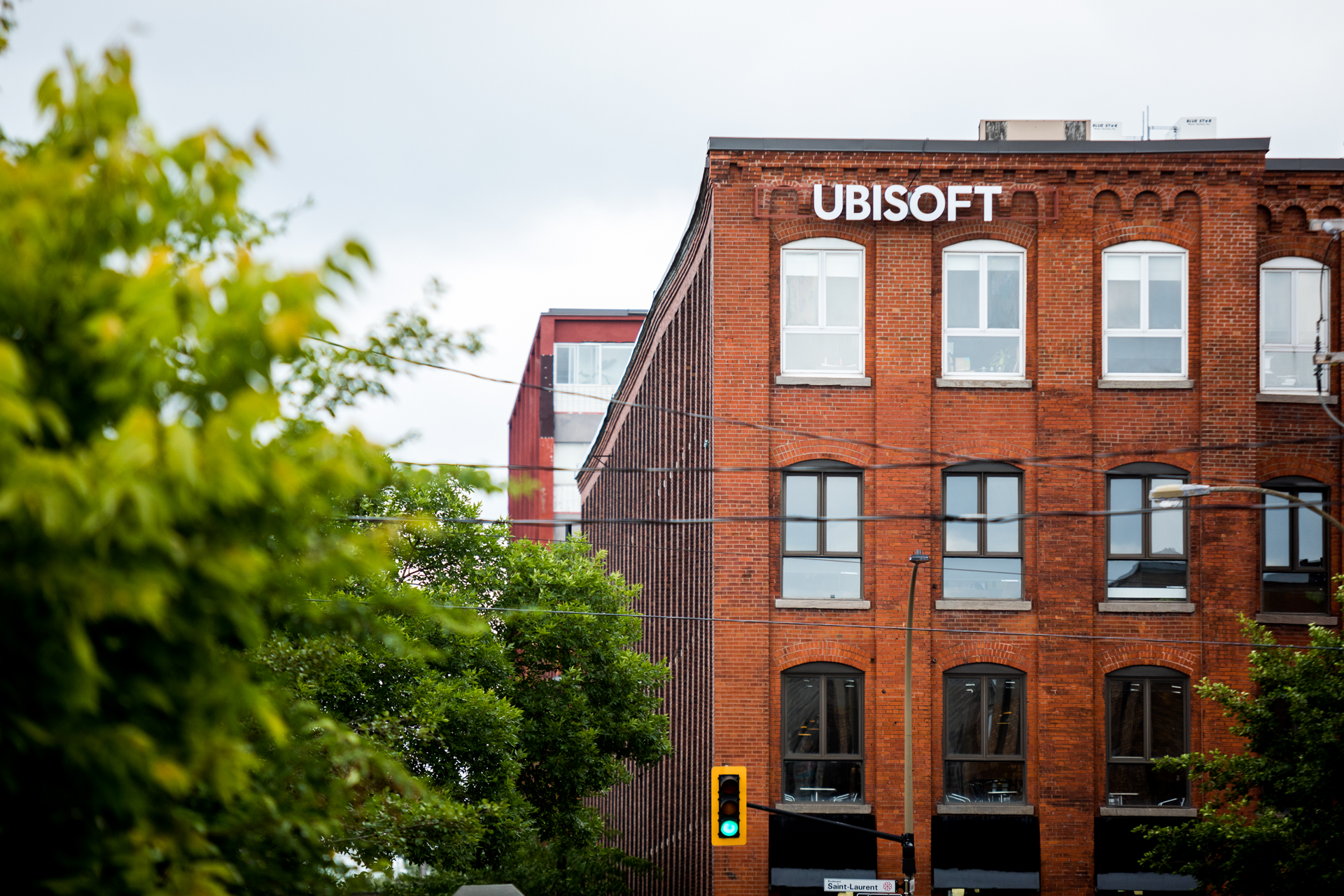
Mile End’s warehouses were built for the garment trade — cutting rooms, needle trades, cheap floor space for machines. By the 1990s the machines were gone and the rent was low enough that painters, musicians, and filmmakers moved into the same lofts. Ubisoft arrived into that vacuum on April 25, 1997, setting up in the old Peck Building on Saint-Laurent with government subsidies meant to seed multimedia jobs. It was Montréal’s first major video-game studio, and it changed the block: new cafés, new bike lanes, a much younger daytime population.
Twenty-odd years on, the studio is a fixture rather than an intrusion — game credits scroll past addresses the neighbourhood already knew. The larger pattern holds across Mile End: an industrial shell finds a creative tenant, the tenant draws more of the same, and the street reorganises itself around them without ever quite losing the original brick.
03 — The Main, In Two Languages
Boulevard Saint-Laurent has divided Montréal east from west since the nineteenth century, and Mile End sits where its immigrant history is thickest. Eastern European Jews settled the cold-water flats along the Main from the early 1900s; by the 1920s they were the local majority. Hasidic families arrived in greater numbers after 1945 and stayed, building one of the largest Hasidic communities anywhere outside Israel and New York, still visible on Rue Saint-Urbain in Yiddish shopfronts and Saturday quiet.
That same cheap, layered neighbourhood produced the loft-recording scene of the 1990s: Godspeed You! Black Emperor and later Arcade Fire both tracked records at Hotel2Tango, a studio built into a former warehouse a short walk from the bagel shops. By 2005 Spin and Pitchfork were calling Mile End the centre of Canadian indie rock. It is a small area to hold a bakery war, a game studio, and a music scene that reshaped a decade of guitar music — but that has always been the Main’s trick.